Designing what’s next: Why I’m writing this book
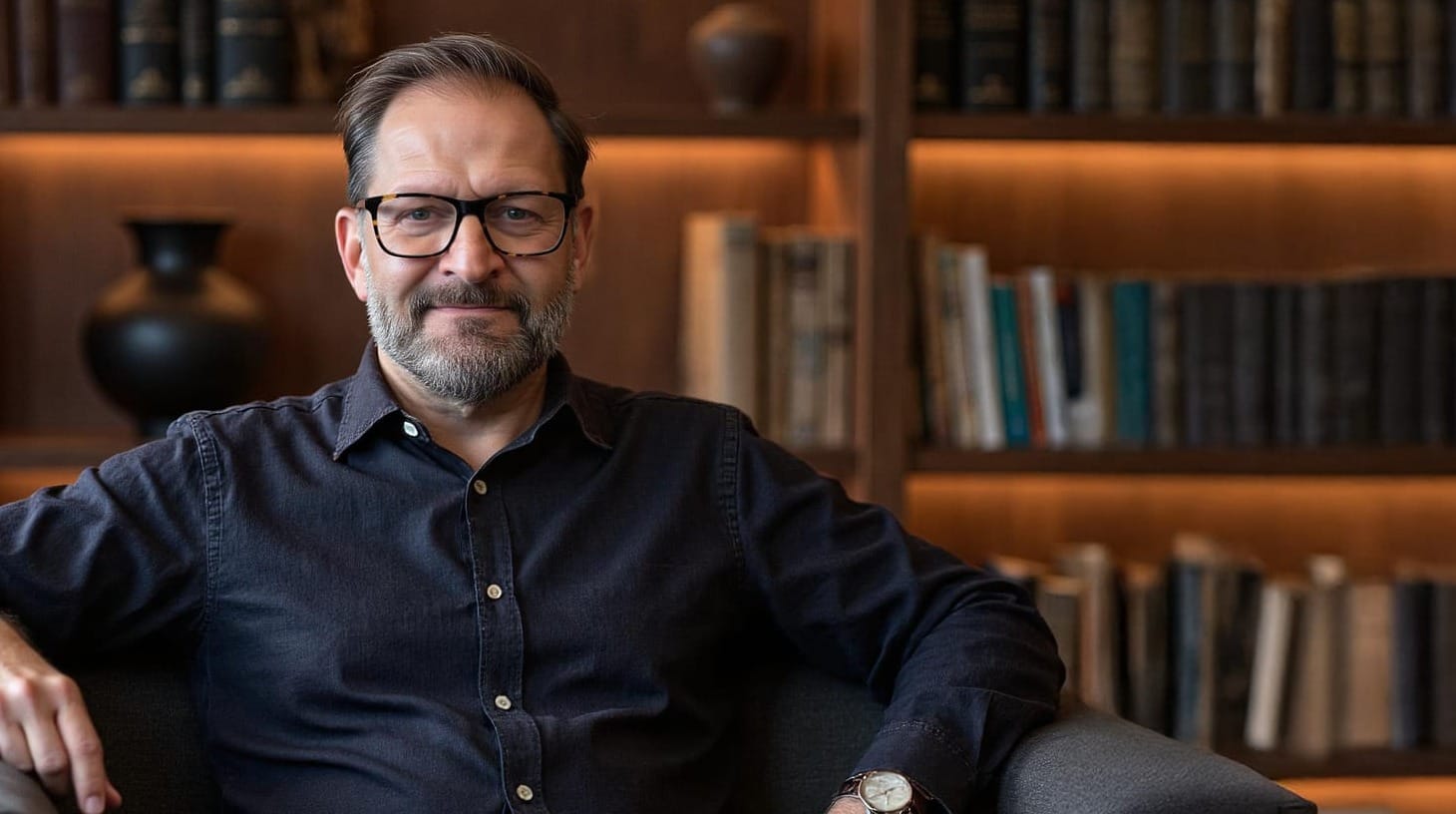
I've been in this field for close to three decades now, and the work still gives me energy. Not because design hands you answers. It almost never does. But because I get to build alongside people who can sense possibility long before it becomes obvious.
That spark hasn't faded. If anything, it's become clearer.
What I notice now
There's a moment that shows up in almost every meaningful piece of work. Someone asks a question that cuts through everything else.
Not "How do we roll this out?" But "Why are we doing this?" or "What if this isn't the real problem?"
And suddenly the room shifts. The work becomes real.
I've seen that moment initiated by designers, engineers who refuse to betray first principles, strategists who feel misalignment before anyone names it, product leaders who trust their instincts when the data looks too neat.
It doesn't matter who says it. What matters is that someone creates the opening.
That's when teams stop performing and start creating together.
The thing we rarely say aloud
The world is speeding up, but most organizations are still built for a slower time.
Technology moves fast. Customer expectations shift. Markets jump around. Companies fall behind. Not because they lack smart people, but because they weren't designed for constant change.
Most transformation efforts don't last. The workshop was inspiring, the vision made sense, and six months later the organization has quietly settled back into what it knows.
It's not because people resisted. It's not because the strategy was wrong.
It's because organizations keep trying to "fix" themselves every time something new happens. When what they actually need is to be designed so they can handle constant change from the start.
What makes that possible
Two things, working together.
Seeing the world differently
Most organizations look through a narrow lens. They miss signals and shifts because they're stuck in old ways of thinking.
What's needed are new lenses. Ways of seeing that help leaders notice more, question more, understand the world from different angles.
With a wider view, organizations stop being surprised and start anticipating.
Responding to the world differently
Once you see more, you can make better choices. But not with old structures.
Organizations need to design themselves to adjust faster. Quicker decisions. Better conversations. Teams that re-form around new challenges. Leadership that pays attention to what's changing. Room to explore before things become urgent.
When these pieces are in place, change doesn't need to be pushed. It becomes normal.
Why possibility matters
Most companies only focus on what they must do next.
But there's a different question: What could we do, given the world we're in?
Seeing opportunities others miss. Designing the organization so it can actually act on them.
That's where adaptation becomes discovery. Where the organization stops chasing change and starts creating value that didn't exist before.
Why I'm writing now
I'm writing a book called The Possibility Principle of Design (or at least that is the working title).
For people tired of transformation theater. For anyone who senses our current approach to change is missing something essential. For leaders who want something sturdier than slogans when operating in ambiguity.
The book explores six lenses. Ways of seeing the gap between what exists and what could exist. And how to build organizations that can adapt continuously.
This is where I'm working through the ideas as they take shape.
What you'll find here
Early chapter drafts. Tools I'm testing in real projects. Provocations meant to unsettle productively. Notes from the messy moments where the real work happens.
I'm not writing because I've figured it all out. I'm writing because the pattern keeps showing up, and it feels necessary to name it.
If you've watched promising ideas disappear without explanation, been in the room when a single question unlocked everything, or you're done with change that fades, you're in the right place.
Let's move
Subscribe. Come along. I'll share what I learn as I learn it.
Let's explore what's possible and make sure we design it to last.
Magnus Dahlhjelm
Senior Possibility Executive
This is part of my ongoing exploration of The Possibility Principle of Design.
If you want these ideas in your inbox as they develop, subscribe here.